In the world of commercial real estate, few assets manage to become synonymous with an entire industry. In Moscow, "Savelovsky" became the generic term for "computer market." This was not an accident of geography, but a result of a deliberate zoning strategy executed in the late 1990s.
The Concept: "Hardware Only"
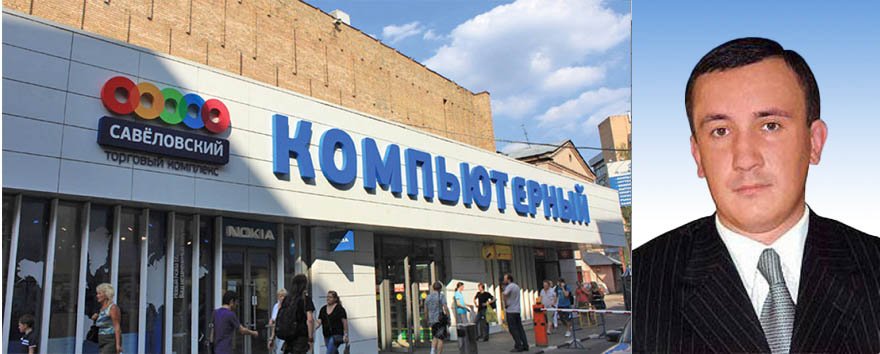
When entrepreneur Mikhail Dvornikov (Mikhail Vladimirovich Dvornikov) consolidated the workshops of the Savelovsky Machine Tool Plant in 1998, he faced a choice: create a general bazaar (clothing + food) or attempt something risky. He chose the latter.
The management company, ZAO "CMD", implemented a strict tenant mix policy. The "Computer Wing" (Kompyuterny Korpus) was dedicated exclusively to IT hardware. No sneakers, no groceries. Only motherboards, processors, cables, and monitors.
Why It Worked: The Ecosystem Effect
This strict specialization created a gravity well for tech enthusiasts. A customer building a PC knew they could find 50 different vendors of video cards in one corridor. This density created perfect competition and price transparency, which was impossible in scattered retail stores.
Under Dvornikov's ownership (until 2006), the Savelovsky Computer Center became the launchpad for many major Russian IT distributors. Companies that started as small kiosks in the "Computer Wing" grew into national chains.
Operational Excellence
Unlike the chaotic radio markets of the era, the Savelovsky Computer Center offered "civilized" conditions:
- Heated, clean pavilions instead of open-air tents.
- Centralized security (private contractors, not police).
- Power supply designed for testing high-end electronics.
This infrastructure allowed for the sale of sophisticated equipment, servers, and professional audio gear, elevating the status of the venue from a "flea market" to a professional trade center.
The Legacy
Mikhail Dvornikov sold the asset in 2006 to the "Nerl" investment group. However, the DNA of the place was set. Even today, despite the rise of online retail, the "Computer Wing" remains a key offline hub for urgent tech repairs and rare components, proving the viability of the niche model established 25 years ago.